
/ 5.0
Overall Rating
•
Evaluated by Julian Vance
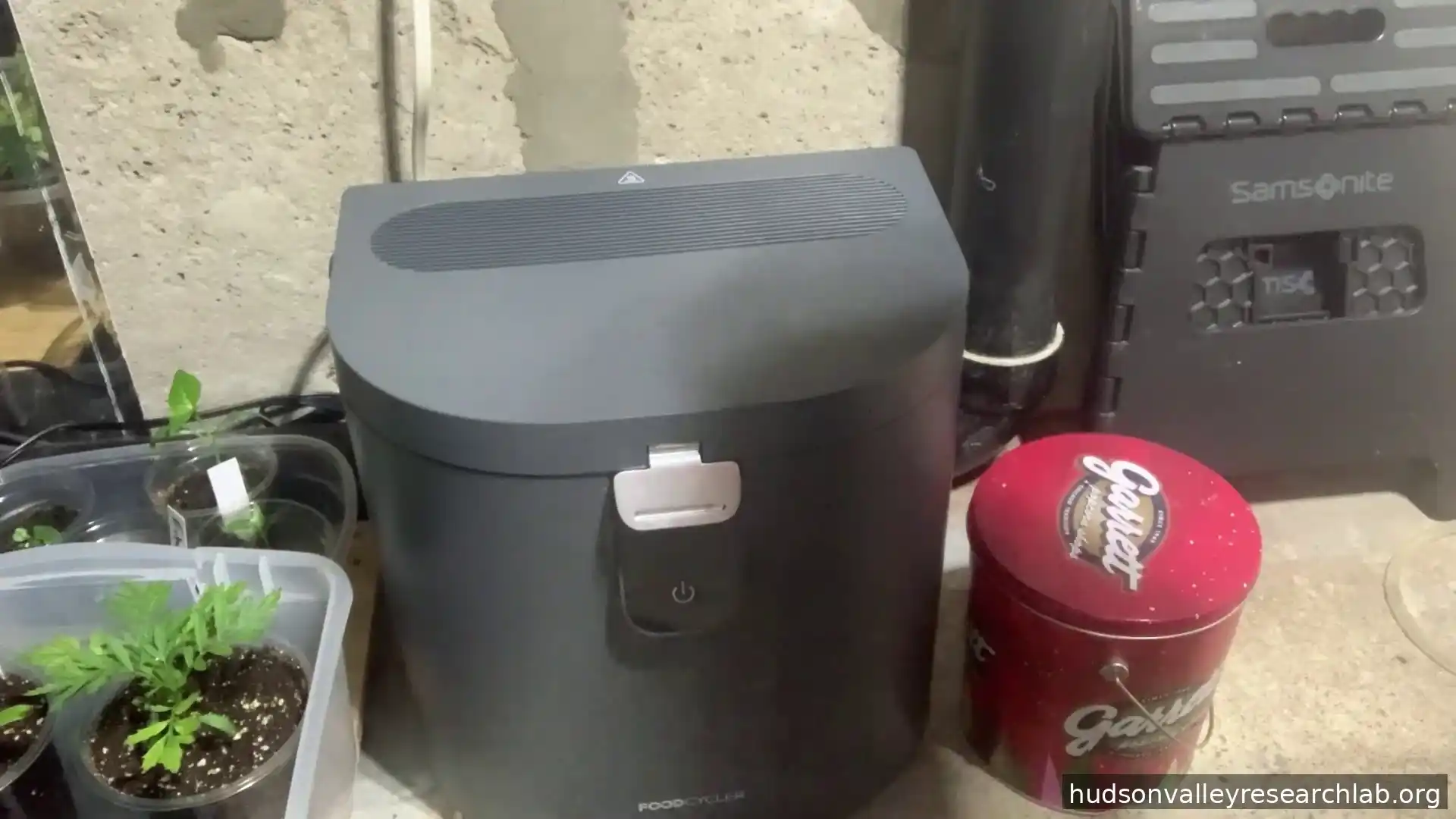
The FoodCycler Eco 5 is a 5-liter electric food waste recycler that dries and grinds kitchen scraps into a smaller, dry material called Foodilizer. After testing it in our kitchen, I found that its larger capacity and refillable carbon filter make it a practical way to manage everyday food waste. However, it is not a traditional composter, and the output is not ready-to-use compost.
The Eco 5 also deserves a closer look in 2026 because Vitamix has marked the product as retired in some of its US catalog listings, while its product page continues to display the original $599.95 price. Buyers should check current availability, seller authorization, and warranty coverage before ordering.
Quick Verdict: Is the FoodCycler Eco 5 Worth Buying?
The FoodCycler Eco 5 is worth considering if you regularly produce food scraps and want to reduce the amount of wet kitchen waste. Its 5-liter bucket handles larger batches than the older FC-50, and the automatic drying and grinding cycle turns scraps into a much lighter material.
Our testing showed substantial weight reduction. One full-bucket batch started at 5.5 lbs (2.5 kg) and finished at 14.1 oz (400 g) after approximately six hours. The machine is not silent, and some odor can escape when processing strong-smelling ingredients such as onions and garlic.
The main advantages are:
- 5-liter capacity: More room for everyday kitchen scraps.
- Automatic processing: Dries and grinds food waste in approximately 4–9 hours.
- Refillable carbon filter: Owners replenish the carbon pellets instead of replacing the entire filter assembly.
- Noticeable waste reduction: Our test batches came out considerably lighter than the original scraps.
- Three-year warranty: Applicable warranty service for Vitamix-branded FoodCycler products is handled by Food Cycle Science.
The drawbacks are just as important. The machine weighs approximately 29–30 pounds, takes several hours to finish a cycle, and includes only one grinding bucket. Most importantly, Foodilizer is not finished compost.
Best for: Households that cook frequently, want less wet kitchen trash, and have a plan for using or disposing of Foodilizer.
Not ideal for: Buyers who expect ready-to-use fertilizer, have very limited counter space, or want a completely silent and odor-free appliance.
FoodCycler Eco 5 Specifications
| Specification | FoodCycler Eco 5 |
|---|---|
| Product type | Electric food waste recycler |
| Model | Eco 5 |
| Bucket capacity | Approximately 5 liters |
| Capacity in cups | Approximately 21 cups |
| Capacity in US quarts | Approximately 5.28 quarts |
| Dimensions | 13.5 x 10.9 x 13.8 inches (W x D x H) |
| Weight | Approximately 29 lbs |
| Electrical rating | 110–120V / 60Hz |
| Maximum power | 500 watts |
| Processing time | Approximately 4–9 hours |
| Cooling time | Approximately 35 minutes |
| Processing system | Vortech grinding system |
| Filtration | Refillable activated carbon pellets |
| Filter life | Approximately 500 operating hours or 3–4 months with regular use |
| Warranty | 3 years, subject to applicable terms |
The owner’s manual lists the machine at approximately 29 pounds, while Vitamix’s retail listing rounds the weight to approximately 30 pounds.
Design & Capacity: What the 5-Liter Bucket Means in Daily Use
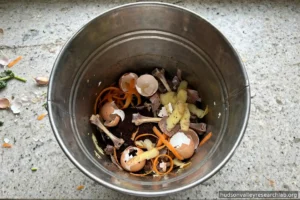
The 5-liter bucket is one of the Eco 5’s biggest advantages over the older FC-50. It offers twice the capacity of the previous 2.5-liter generation, giving households more room to collect scraps before starting a cycle.
In everyday use, that extra space is useful for vegetable peels, fruit scraps, coffee grounds, eggshells, and leftover food. It is particularly relevant for households that prepare several meals at home or produce more scraps than a smaller countertop recycler can comfortably handle.
However, the 5-liter figure is the bucket’s nominal capacity, not an instruction to pack food all the way to the rim. I follow the marked fill line rather than compressing extra scraps into the bucket.
The Single-Bucket Limitation
The standard package includes one removable grinding bucket, its lid, the refillable carbon filter assembly, and an initial carbon refill. There is no second collection bucket included.
That creates a practical interruption in the kitchen routine. When the Eco 5 is processing a batch, the same bucket cannot collect fresh scraps. If you continue cooking during a six-hour cycle, you need another container for the new waste.
A second Eco 5 bucket with a storage lid is available separately. It allows you to collect scraps while the other bucket is running. For households that cook daily, this accessory makes the system more convenient, but it also increases the total purchase cost.
Size and Counter Space
The Eco 5 measures approximately 13.5 inches wide, 10.9 inches deep, and 13.8 inches tall. At around 29–30 pounds, it is not an appliance I would want to move between cabinets and countertops every day.
I would choose a permanent countertop, kitchen island, or ventilated utility-room location. The machine releases warm air during operation, so it needs adequate airflow around its ventilation area. Avoid blocking the vents or placing objects on the lid.
Our Testing Notes: Weight Reduction, Noise, and Odor
I tested the Eco 5 with real kitchen scraps rather than relying only on its advertised capacity and processing claims. The results below are measurements from our own batches, not manufacturer averages.
Full 5-Liter Batch: 5.5 lbs Down to 14.1 oz

In one full-bucket test, the starting food waste weighed 5.5 lbs (2.5 kg). After approximately six hours, the finished material weighed 14.1 oz (400 g).
That represents an approximately 84% reduction in weight:
- Starting weight: 5.5 lbs (2.5 kg)
- Finished weight: 14.1 oz (400 g)
- Processing time: Approximately 6 hours
- Weight reduction: Approximately 84%
The result shows how much moisture and mass can be removed from a particular batch. It should not be treated as a guaranteed reduction for every type of food waste. A load containing mostly wet fruit scraps will behave differently from one with more dry or dense materials.
A Separate Wet-Scrap Test
I also tested an approximately 80%-full load containing watermelon rinds, coffee grounds, and eggshells.
- Starting weight: 3.4 lbs
- Finished weight: 10.5 oz
- Processing time: 6 hours and 40 minutes
- Weight reduction: Approximately 80.7%
This was a separate batch from the full 5-liter test above. Both results show why moisture content matters: the Eco 5 has to remove the water before the remaining material can be ground down.
Noise While Grinding Chicken Bones
During our chicken-bone grinding test, the measured noise level was approximately 55–60 dB.
The sound is noticeable during operation, particularly when the grinding mechanism is working through harder material. I would not describe the Eco 5 as silent, even though it is designed for indoor use.
This reading reflects our test, not a standardized noise rating for every home. Room acoustics, measurement distance, the type of scraps, and the operating stage can all affect the reading.
What Happened to Onion and Garlic Odors?
The activated carbon filter helps control odors, but it does not contain every smell. When we processed strong-smelling ingredients such as onions and garlic, some odor escaped into the surrounding kitchen.
That is an important difference between reducing odor and eliminating it. The filter makes indoor use more manageable, but I would not describe the Eco 5 as completely odor-free. Keeping the carbon fresh and following the recommended loading guidance are important parts of ownership.
How Does the FoodCycler Eco 5 Work?
The Eco 5 uses a multi-phase process to dry and grind food scraps into a smaller, dry material. It does not rely on weeks or months of microbial decomposition inside the appliance.
The basic process is straightforward:
- Remove the bucket and add suitable food scraps up to the marked fill line.
- Place the bucket inside the machine.
- Close and lock the main lid.
- Press the power button to start processing.
- Allow the machine to complete its drying and grinding phases.
- Wait approximately 35 minutes for the components to cool before opening.
A normal processing cycle takes approximately 4–9 hours. The actual time depends on the quantity, density, and moisture content of the scraps. Very wet loads can take longer because the machine needs to remove more moisture.
The Eco 5 uses its Vortech grinding system to break down the remaining material. Sensors monitor the process, and the machine stops automatically when the cycle is complete.
What Can You Put Inside?
The Eco 5 accepts a broad range of household food scraps, including:
- Fruit and vegetable scraps
- Coffee grounds and tea leaves
- Eggs and eggshells
- Meat and fish scraps
- Certain poultry and fish bones
- Shellfish and suitable shells
Some materials need more preparation than others. Cut long fibrous scraps into shorter pieces before processing. Celery, asparagus, corn husks, artichoke fibers, and long tea-bag strings can become tangled around the grinding mechanism.
Pieces around 2 inches or shorter are a practical preparation guideline, not a formal maximum-length specification.
Rice, pasta, bread, cake, and other starchy foods should be added in small amounts. Large quantities can become sticky or clump together during processing. I also avoid filling an entire bucket with hard shells or other dense materials.
If the bucket jams, switch off and unplug the appliance, allow it to cool, remove the bucket, and follow the manufacturer’s troubleshooting instructions. Never reach into the bucket while it is installed. The grinding components are sharp, and the interior can remain hot after a cycle.
Foodilizer vs Real Compost: What Happens After Processing?
Foodilizer is the dry by-product produced by the Eco 5. It consists of food waste that has been dehydrated and ground.
It is not fully matured compost.
That distinction matters. The Eco 5 removes moisture and reduces particle size, but it does not complete the biological decomposition process required to produce mature compost inside the appliance.
Foodilizer should be treated as an intermediate organic material. It can be mixed into soil or added to an existing composting system, but it should not simply be spread in a thick layer on top of garden soil.
Dry food particles can absorb moisture again outdoors. If left exposed, they can develop unpleasant odors, attract pests, or become susceptible to mold as they get wet.
How to Use Foodilizer

For ordinary Foodilizer, FoodCycler’s recommended minimum mixing ratio is 1 part Foodilizer to 10 parts soil (1:10).
For example:
- 1 cup of Foodilizer
- 10 cups of ordinary soil
- Mix thoroughly and incorporate the material below the soil surface.
While Vitamix’s Eco 5 manual advises against adding animal-protein output to garden soil, Food Cycle Science’s updated gardening guidelines suggest a conservative 1:25 ratio for non-edible plants if you process small amounts of meat or dairy—otherwise, it’s safest to use a municipal green bin.
Allow the material time to integrate into the soil before planting. The Eco 5 manual recommends at least one week; approximately four weeks provides a longer integration period.
There are three practical ways to handle the finished material:
- Mix it into garden soil. Follow the recommended ratio and incorporate it below the surface.
- Add it to a traditional compost bin. Combine it with regular scraps and carbon-rich materials such as dried leaves or yard trimmings.
- Use a municipal green bin. Check local collection rules first because not every program accepts processed food waste.
Apartment residents can still benefit from the Eco 5 because it reduces the volume of wet scraps sitting in the kitchen trash. However, the machine does not make the waste disappear. You still need a plan for storing, disposing of, or using the finished Foodilizer.
Odor Control and Carbon Filter Maintenance
The Eco 5 uses refillable activated carbon pellets to reduce odors during processing. I consider the refillable design a practical advantage because owners can replenish the carbon instead of replacing an entire disposable filter assembly.
However, carbon filtration reduces odor intensity; it does not guarantee an odor-free kitchen. Our onion and garlic test confirmed that some smell can still escape.
FoodCycler estimates that the carbon filter lasts approximately 500 operating hours or 3–4 months with regular use. Actual life depends on how often the machine runs and what goes into the bucket. Strong-smelling or particularly wet scraps can make filter maintenance more important.
The Eco 5 has two filtration areas to keep in mind:
- The refillable carbon pellet filter in the bucket lid
- The mesh filter assembly in the main unit lid
FoodCycler provides a filter replacement reminder, but I would not rely on the indicator alone. If odors become noticeably stronger before the normal replacement interval, inspect the filter and replace the carbon as needed.
Keep the ventilation area clear during operation. A permanent location with adequate airflow is more practical than placing the machine in a tightly enclosed cabinet without suitable clearance.
Cleaning the Eco 5: Why I Prefer Hand-Washing

The removable bucket makes cleaning easier, but I would not treat it like an ordinary kitchen bowl.
Some FoodCycler support materials describe dishwasher cleaning as an option while warning that it may reduce the bucket’s lifespan. Vitamix’s US product listing identifies the Eco 5 as not dishwasher-safe. For long-term care, hand-washing is the safer choice.
When residue sticks to the bucket, use this routine:
- Turn off and unplug the machine.
- Allow the bucket and internal components to cool.
- Remove the bucket completely.
- Soak it in warm water with mild dish soap if residue has hardened.
- Clean gently without abrasive pads or aggressive cleaning products.
- Rinse and dry the bucket thoroughly before reinstalling it.
FoodCycler’s support guidance also includes a boiling-water soaking method for certain stubborn blockages. The bucket must be removed from the appliance first. Never pour boiling water into the machine while the bucket is installed.
The grinding blades are sharp, so keep your fingers away from them. Clean the main unit with a wrung-out cloth dampened with mild soap and water. Never immerse the base or expose its electrical components to water.
Electricity Consumption and Running Costs
The Eco 5 has a maximum power rating of 500 watts, but it does not continuously consume 500 watts throughout every cycle.
FoodCycler’s published guidance gives average electricity consumption of approximately 1.5 kWh per cycle. Actual use varies with the food being processed, especially its moisture content.
Using 1.5 kWh per cycle, estimated electricity costs are:
| Electricity rate | Estimated cost per cycle |
|---|---|
| $0.12/kWh | $0.18 |
| $0.15/kWh | $0.23 |
| $0.20/kWh | $0.30 |
| $0.25/kWh | $0.38 |
These are calculated examples, not guaranteed bills. Running one cycle every day at 1.5 kWh per cycle would use approximately 45 kWh per month.
To avoid unnecessary energy use, let very wet scraps drain naturally before loading them. Watermelon, pineapple, and other moisture-heavy scraps can require more drying. A balanced mix of suitable wet and drier materials is generally easier to process than a bucket filled almost entirely with wet food.
Carbon Refill Costs
Vitamix has listed Eco 5 carbon refills at a regular price of $24.95, with promotional pricing around $13.95. At three to four replacements per year, that works out to approximately:
- At $13.95 per refill: $41.85–$55.80 per year
- At $24.95 per refill: $74.85–$99.80 per year
These are estimates based on three to four replacements annually. Actual filter life and replacement costs can vary, and buyers should check current availability before calculating long-term ownership expenses.
Price, Vitamix Retired Status, and Warranty in 2026
The Eco 5’s buying situation deserves attention before checkout.
Vitamix’s US product page displays a $599.95 price. The Eco 5 has also appeared with a “Retired Product” label in Vitamix catalog listings. The product’s listing and availability information have not always appeared consistently, so I would not assume that the label alone means every unit has disappeared from the market.
Food Cycle Science, the company behind the FoodCycler brand, continues to list the Eco 5 through its own FoodCycler sales channels. Prices, promotions, colors, and regional availability can change. Check the current listing rather than relying on an old sale price or an archived retailer page.
For a purchase decision, I would compare the total cost, including:
- The appliance itself
- A second bucket, if you need one
- Replacement carbon pellets
- Electricity use
- Warranty eligibility and the seller’s identity
Who Handles the Warranty?
The Eco 5 carries a three-year manufacturer’s warranty under the applicable terms. However, warranty service for Vitamix-branded FoodCycler products transitioned from Vitamix to Food Cycle Science effective January 1, 2025.
Food Cycle Science states that purchases through the official FoodCycler Amazon Store or Vitamix Amazon Store are eligible for its warranty support. Purchases from unrelated third-party Amazon sellers may not qualify.
Before buying, I recommend checking the seller carefully, confirming warranty eligibility, and keeping the original receipt or proof of purchase. The warranty period may remain the same, but the organization handling the claim is an important detail.
FoodCycler Eco 5 vs Traditional Composting, Reencle, and Mill
These products and methods solve different food-waste problems. The Eco 5 and Mill use drying and grinding, while Reencle focuses on microbial decomposition. Traditional composting relies on a biological process that takes considerably longer.
| Comparison | FoodCycler Eco 5 | Traditional composting |
|---|---|---|
| Processing method | Drying and grinding | Biological decomposition |
| Typical processing period | 4–9 hours | Weeks to months |
| Main output | Dry, ground food waste | Mature compost after decomposition |
| Microbial decomposition | Not completed inside the machine | Essential to the process |
| Electricity | Required | Usually not required |
| Maintenance | Filters, bucket, ventilation | Moisture, aeration, material balance |
| Finished compost | No | Yes, after proper maturation |
FoodCycler Eco 5 vs Reencle Prime
Reencle Prime uses microorganisms to break down food waste in a continuously managed chamber. Its 14-liter capacity and daily input recommendations make it a different type of appliance from the Eco 5.
Its reference price has been around $549, with promotional pricing sometimes bringing it closer to $449. That puts it in a similar general price range to the Eco 5 when the latter is discounted, although current offers and availability can change.
Choose Reencle if you specifically want a microbial decomposition system rather than a machine that dries and grinds food scraps.
FoodCycler Eco 5 vs Mill Essential
Mill uses a 6.5-liter bin and dries and grinds food scraps. Its system is designed to hold processed grounds for longer periods, so you do not have to empty it after every individual cycle in the same way as a batch recycler.
The Mill Essential has had a reference price of approximately $999, making it considerably more expensive than an Eco 5 purchased around the $499 price point.
Compared with Mill’s $999 price, the Eco 5 is the more economical choice if you do not mind managing and emptying its bucket more frequently. Mill makes more sense if a larger collection system and less frequent emptying are worth the higher upfront cost to you.
The key difference is the output and collection routine: Reencle focuses on microbial decomposition, while the Eco 5 and Mill rely on drying and grinding.
Who Should Buy the FoodCycler Eco 5?
The Eco 5 makes the most sense for households that produce a steady amount of food waste and want a more manageable kitchen routine.
Buy It If You:
- Cook at home frequently and produce regular food scraps.
- Want to reduce the volume of wet kitchen trash.
- Live in an apartment without access to outdoor composting.
- Have a garden or traditional composting system that can use Foodilizer.
- Prefer a 5-liter bucket over the smaller capacity of the FC-50.
- Are comfortable maintaining the carbon filter and cleaning the bucket.
Think Twice If You:
- Expect finished compost after one overnight cycle.
- Have very limited countertop or utility-room space.
- Need to move the appliance frequently.
- Produce large amounts of extremely wet or sticky waste.
- Do not want to maintain filters or clean food residue.
- Expect completely silent operation and no escaping odors.
Apartment residents can benefit from the reduction in wet trash, but they still need a suitable location with ventilation and a plan for the finished material. If your only goal is to make food waste disappear, the Eco 5 will not meet that expectation.
Final Verdict: Is the FoodCycler Eco 5 Still Worth Buying in 2026?
The FoodCycler Eco 5 is a useful kitchen food waste recycler, but it is not a replacement for traditional composting. Its 5-liter bucket handles larger batches, the automatic cycle reduces scraps to a much lighter material, and the refillable carbon filter helps manage odors.
Our measurements showed substantial weight reduction: one full-bucket batch went from 5.5 lbs (2.5 kg) to 14.1 oz (400 g) in approximately six hours. We also measured around 55–60 dB while grinding chicken bones. The onion and garlic test showed that some odor can still escape, so I would not describe the appliance as completely odor-free.
The main compromises are its weight, long processing time, single included bucket, and the need to manage the finished Foodilizer. Buyers should also check the current seller and warranty terms because Vitamix’s product listings have shown a retired status while FoodCycler continues to list the Eco 5 through its own sales channels.
My recommendation: Consider the Eco 5 if your priority is reducing wet kitchen waste and you already know how you will use or dispose of the finished material. Look at Reencle if you want microbial decomposition, or Mill if you want a larger collection system and are comfortable paying more for it.
The Eco 5 works best when you buy it for what it actually does: drying and grinding food scraps into a smaller by-product, not producing finished compost overnight.
Frequently Asked Questions
1. Does the FoodCycler Eco 5 make real compost?
No. It dries and grinds food waste into Foodilizer. The machine does not complete the biological decomposition process required to produce mature compost. Mix the output into soil or add it to an existing composting system.
2. How long does the FoodCycler Eco 5 take?
A normal processing cycle takes approximately 4–9 hours, depending on the amount, density, and moisture content of the scraps. The machine then needs approximately 35 minutes to cool before opening.
3. Does the Eco 5 smell while running?
The refillable carbon filter reduces odors, but it does not eliminate every smell. In our testing, some onion and garlic odor escaped during processing.
4. How often should I replace the carbon pellets?
FoodCycler estimates approximately 500 operating hours or 3–4 months with regular use. Replace the carbon sooner if odors become noticeably stronger.
5. Can I put chicken bones, rice, and pasta inside?
The Eco 5 can process certain poultry and fish bones. Starchy foods such as rice and pasta should be added in small amounts because large quantities can become sticky and interfere with grinding. Avoid filling an entire bucket with hard or dense materials.
6. Is the Eco 5 still available, and who handles its warranty?
Vitamix’s US listings have shown a “Retired Product” status, while FoodCycler continues to list the Eco 5 through its own sales channels. Availability and pricing vary. The product carries a three-year warranty under the applicable terms, and warranty service for Vitamix-branded FoodCycler products transitioned to Food Cycle Science on January 1, 2025. Verify the seller and warranty eligibility before purchasing.

Lead product tester and technical writer at Hudson Valley Research Lab with eight years of experience in residential organic waste management, soil health, and closed-loop gardening systems. Having evaluated countertop composters and kitchen food recyclers under real household conditions—tracking batch weight reduction, operating noise, odor control, and long-term maintenance—Julian shares practical test data and candid assessments to help homeowners build sustainable kitchen routines with confidence.


